
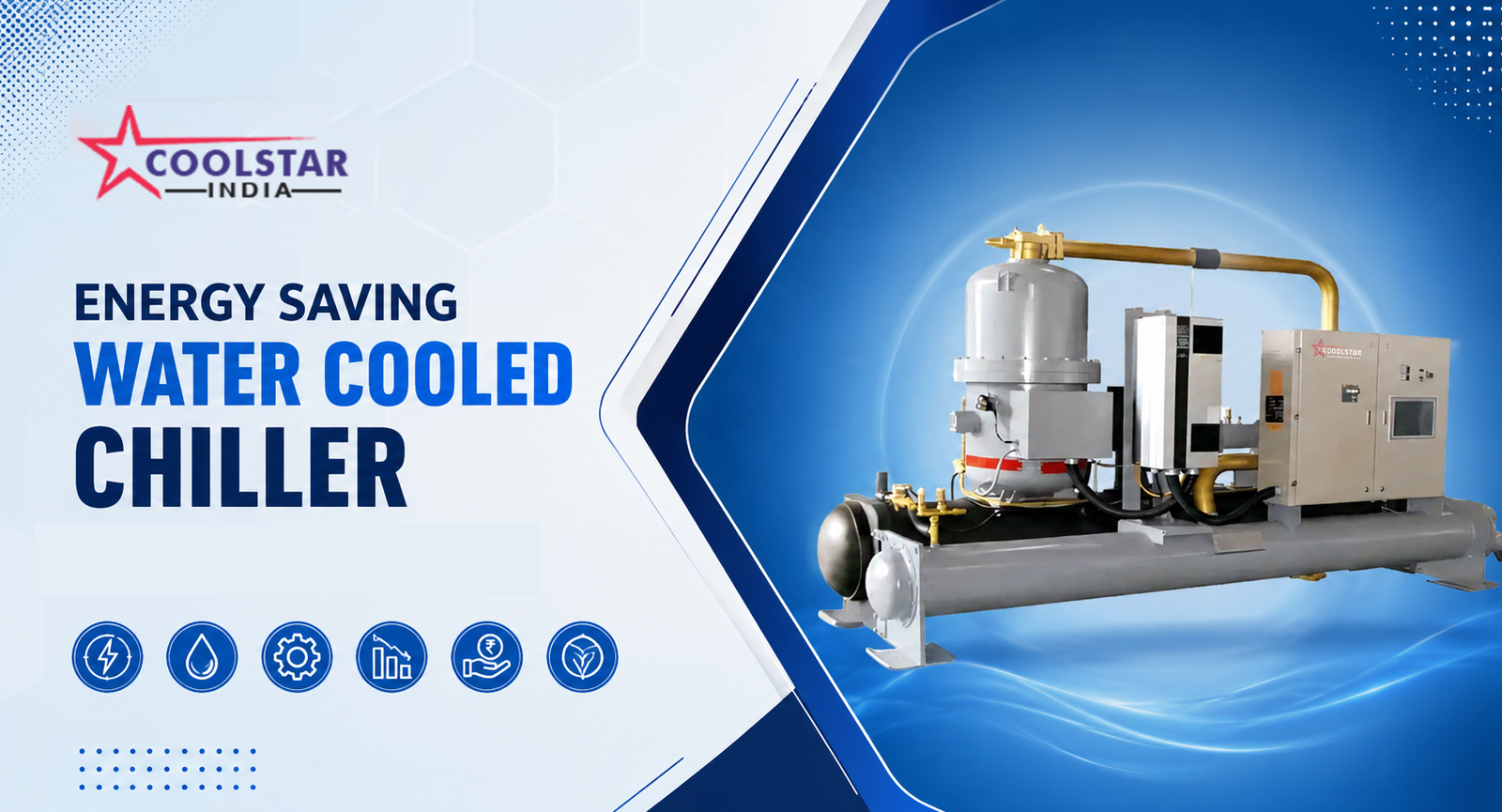
A water cooled chiller is a common cooling unit used in factories, offices, and industrial plants. It takes heat out of water and sends chilled water to air handlers, cooling towers, or process equipment. Because chillers run for long hours, even small improvements in efficiency can add up to real savings on your power bill.
Using a properly maintained cooling unit can help you reduce electricity costs without losing cooling performance.
Keep The Cooling Water Clean
Poor‑quality cooling water is one of the main causes of a chiller failing to give efficiency. Scale, dirt, and algae in the condenser tubes make it harder for heat to move out of the water, so the compressor has to work harder and use more power.
Check the water quality on time and clean or treat it as required. If your system has filters or strainers, just clean them regularly so water can flow without restriction. This simple step keeps the water cooled chiller running cooler and using less energy.
Maintain the Cooling Tower
Most cooling unit systems depend on a cooling tower. If the tower is clogged, out of balance, or poorly maintained, the water returning to the chiller will be warmer than designed. This forces the chiller to work harder and burn more electricity.
Scrub the tower deck, inspect the fan belts and motors, and make sure water flows evenly across the fill. Well‑maintained tower performance keeps the condenser water cool, which pulls down the chiller’s power consumption and saves money.
Set Evaporator and Condenser Temperatures Wisely
Running the cooling unit at the correct temperature range can make a big difference in energy use. If the chilled water setpoint is lower than what the process or space actually needs, the compressor runs longer and harder.
At the same time, if the condenser water is too warm, efficiency drops. Work with your plant settings to keep the evaporator temperature just low enough for comfort or process requirements and the condenser water as cool as the tower can safely provide. Small changes here can add noticeable savings over time.
Avoid Part‑Load Struggles
Many chillers spend most of their life running at part load, yet they are sized for peak demand. A water cooled chiller that runs for long periods at low load without proper control can waste energy.
Check if your system has a sensible control plan, such as splitting the load between multiple chillers or using variable‑speed drives on pumps and fans. Using only the capacity you actually need, instead of running one oversized chiller flat out, helps you cut power bills and keep the equipment life longer.
Inspect and Clean the Heat Exchangers
The evaporator and condenser are the main parts where heat is transferred in a water cooled chiller. If these surfaces get coated with scale, dirt, or oil, heat transfer drops and the compressor has to work harder.
Inspect the tubes regularly and, wherever possible, get them cleaned by a qualified technician. Even a thin layer of scale can reduce performance enough to show up on your electricity bill over weeks and months.
Seal Leaks and Check Refrigerant Charge
When a water cooled chiller has refrigerant leaks or the refrigerant charge is not correct, it loses efficiency. An undercharged system or the wrong refrigerant–oil blend makes the compressor run hot and run for longer periods, increasing power consumption.
Check around joints and fittings for leaks and oil spots, and see if the pressure readings are outside the normal working limits. Keep the refrigerant charge within the manufacturer’s limits and use proper leak‑detection methods. A tight, correctly charged system uses less energy and keeps cooling stable.
A Simple Way to Lower Your Power Bills
If you want to reduce electricity costs without giving up cooling, a well‑maintained water cooled chiller is a good place to start. Focus on clean water, sensible controls, correct temperatures, and regular checks.
For more details on suitable water cooled chiller models, custom designs, and service support, you can visit Coolstar India and explore options that match your plant’s cooling load and site conditions.
FAQ:
A machine that strips heat out of water and sends cold water to air handlers or process gear.
If you ignore it, dirt and scale make the compressor sweat and run longer; keep it clean and it uses less power.
Inspect weekly to monthly depending on conditions; treat or clean when you see scale, algae, or flow restriction.
Use chiller staging, parallel units, or variable‑speed drives on pumps/fans to match capacity to actual load.
For refrigerant leaks/charging, major tube cleaning, persistent pressure/temperature anomalies, or control-system tuning.

